
The science behind the signal
A family of clocks, published risk tools and a graded evidence library, working on your own data.
A family of ages
One number can’t describe a body, so Telomy reads several clocks together.
Confidence 78%
PhenoAge (Levine 2018) and Klemera-Doubal biological age, from a routine blood panel, with a trained NHANES clock alongside.
Confidence grows with you
Every estimate comes with a confidence score. It depends on how much data Telomy has, and it rises as you add more.
- Heart4474%
- Metabolism4272%
- Liver4762%
- Kidneys4068%
- Immune system4360%
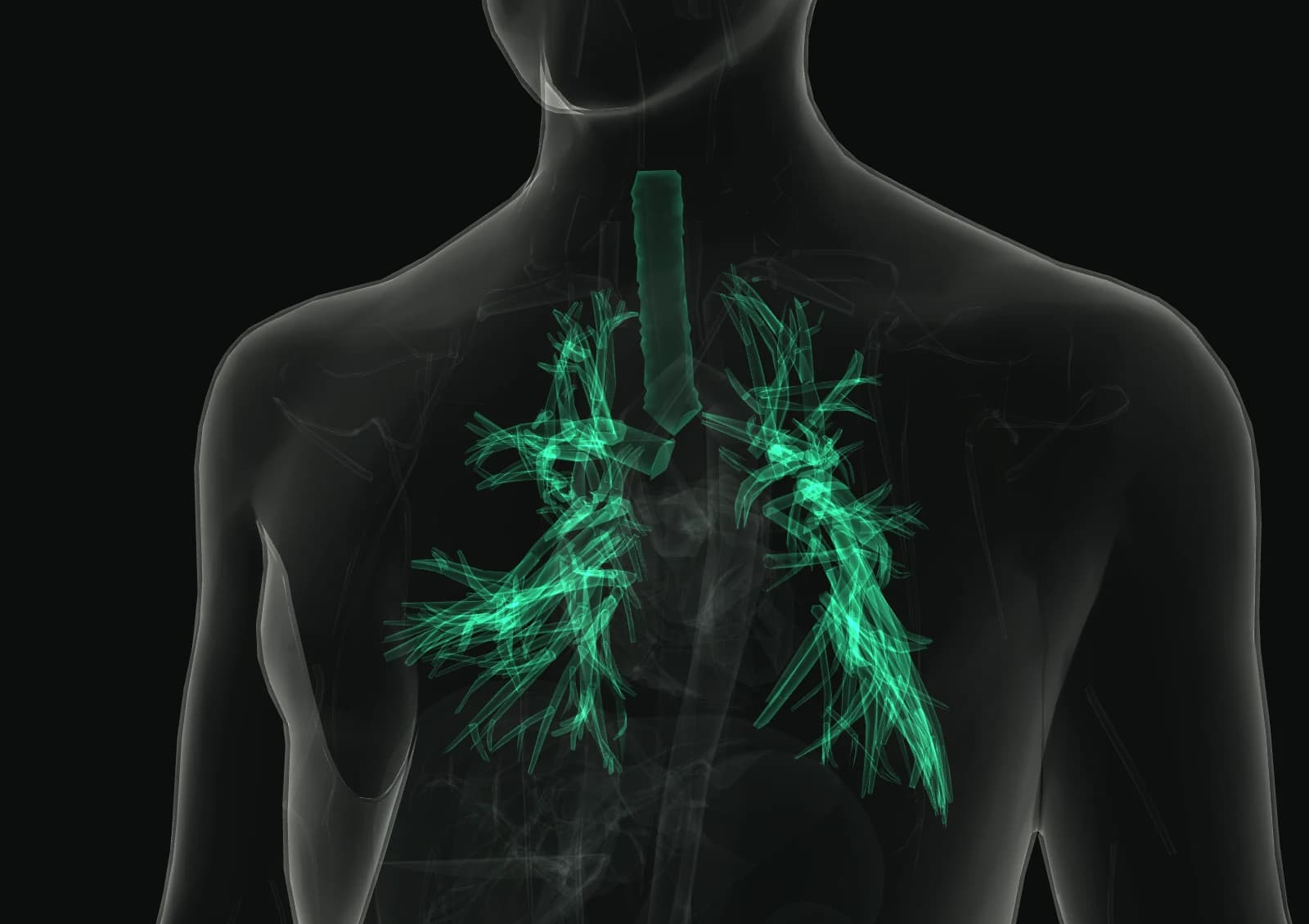
- LungsAdd spirometry to see this
- Muscle and boneAdd dexa or grip to see this
- BrainAdd mri or nfl to see this
A twin that learns
The twin simulates your physiology from published effect sizes and your own record.
Each new report scores its past projections and recalibrates it for you.
House rules
- Confidence, always
- Every estimate carries a confidence score that rises with the amount of your data Telomy holds.
- Gated by data
- A system appears once enough of its own inputs are on file.
- Models must earn it
- A personal model has to beat a simple baseline before it’s used for advice.
- Derived values show their working
- Each one carries its formula and inputs.
- Your lab’s range is kept
- Telomy stores the reference range from your report and shows it beside any target.
Published risk tools
Named, cited, and read with your clinician.
- AHA PREVENT 2024, 10 and 30 year
- Pooled Cohort Equations
- Type 2 diabetes, 5 year
- FIB-4
- Kidney Failure Risk Equation
- Lp(a), hs-CRP, ApoB and CAC as enhancers
59 options, graded
The intervention library grades each option and says what the grade is for. Anything prescription stays with your clinician.
| Grade | Option | What the grade is about |
|---|---|---|
| A | Aerobic training | Fitness and long-term outcomes, from large cohorts and meta-analysis |
| A | Sleep regularity | Long-term cardiometabolic and cognitive outcomes, from cohorts |
| A | Mediterranean-style eating | Heart outcomes, from a randomised trial |
| B | Breathwork and meditation | Blood pressure and perceived stress |
| B | Sauna | Observational cohorts only |
| C | Cold-water immersion | Small trials with mixed results |
How we test one person
Telomy Labs follows a single-subject design, with your own baseline as the control.
- Baseline2 readings, 1 to 2 weeks apart
Pins down your normal variation before anything changes.
- Course12 weeks
One change. Log it daily. A result only counts with at least 80% adherence.
- RetestWeek 12
The same tests, under the same conditions.
- Washout4 weeks, where suitable
Stop, then restart, to check the signal is real. Never stop a prescribed medicine on your own.
Response: at least half your tracked markers moved beyond your baseline variation, and nothing triggered a stop.
No signal: anything else. Then the honest step is to stop doing it.
A single-person experiment shows what happened in you. It doesn’t show that something works for others.Under trials
Telomy is under trials.
Read our explainersBiology, made intelligent
Join Telomy